


Can Retreats Include Catering? A Thoughtful Guide

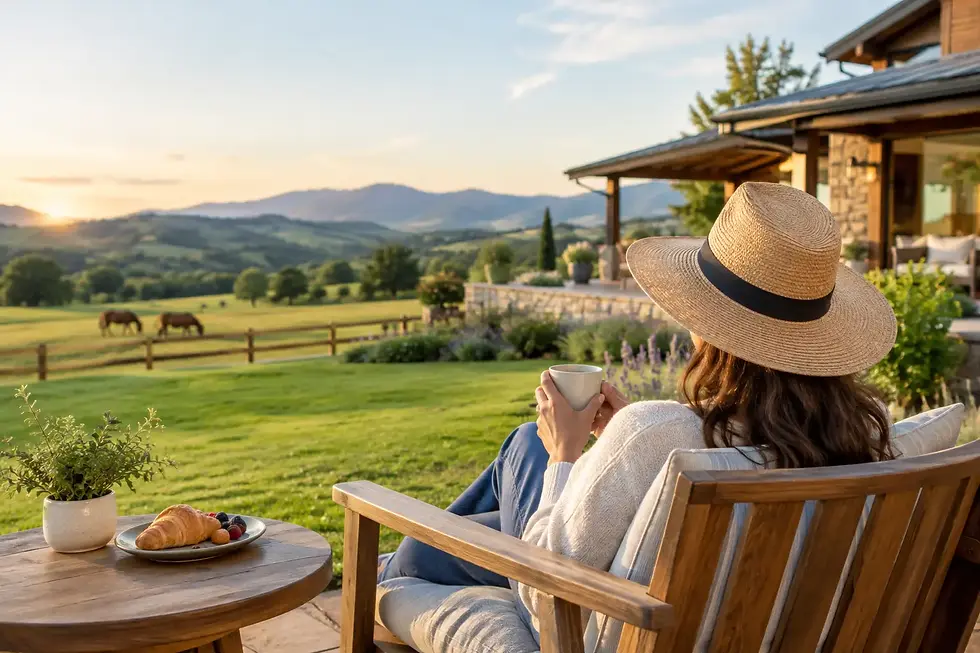
A retreat day often begins before the first class, swim or woodland walk. It begins over breakfast: fresh fruit on the table, coffee warming cold hands, and the reassuring knowledge that nobody needs to negotiate who will cook. So, can retreats include catering? Absolutely - and for many hosts and guests, it is what turns a beautiful gathering into a genuinely restorative one.
Catering is not simply a practical add-on. Shared food creates rhythm, frees up time for the purpose of the retreat, and gives people a natural place to connect. The right approach, however, depends on the kind of experience you are creating, the needs of your group, and how much flexibility guests value.
Can retreats include catering without losing flexibility?
Yes. A catered retreat need not mean a rigid schedule or a dining room with little room for preference. The most considered arrangements leave space for both nourishment and choice. A yoga group may appreciate an early tea station before morning practice, a generous brunch afterwards, and a relaxed communal supper after sunset. A fitness retreat may require more structured protein-rich meals and snacks between sessions. A family gathering might prefer a celebratory dinner on one evening while keeping other meals informal.
The aim is not to fill every hour with food. It is to remove the small decisions that can interrupt rest. When meals are planned with care, guests can be present for the landscape, their programme and each other rather than making supermarket runs or washing up between workshops.
There is also a middle path between fully catered and entirely self-catered stays. Hosts can arrange selected meals, such as arrival-night supper, daily breakfast or a farewell feast, while guests retain access to a well-equipped kitchen for anything else. This suits groups who want the comfort of a hosted experience without giving up the ease of making a late-night herbal tea or preparing something familiar for a child.
What catering can bring to a retreat experience
In a private rural setting, food has a particular role. It brings everyone back together after an afternoon by the river, a hill walk or quiet time alone on a stone terrace. It can reflect the place guests have come to experience: seasonal vegetables, olive oil, citrus, herbs, local cheeses and simply prepared dishes that feel generous rather than overworked.
For retreat leaders, catering also protects the quality of the programme. Teaching, holding space, managing timings and tending to individual guests is demanding work. If the host is also sourcing ingredients, cooking for a full group and clearing plates, their own energy is quickly divided. Professional or locally arranged catering allows them to lead with more attention and calm.
For guests, the benefit is less about formality and more about ease. A nourishing lunch waiting after a long practice can feel deeply luxurious, particularly when it is enjoyed outdoors with forest air, birdsong and nowhere else to be. Good retreat food should support the body without becoming another set of rules.
Catering can shape the pace of the stay
Meal times can gently anchor an itinerary. Breakfast encourages an unhurried beginning. Lunch creates a pause before an afternoon workshop or an adventure on the water. Dinner offers a softer landing at the end of the day, often becoming the moment when strangers become companions.
That rhythm matters most on shorter retreats. A two- or three-night programme can feel rushed if participants spend valuable hours planning meals. Catering gives the group more of what they came for: movement, stillness, conversation and time in nature.
Choosing the right level of service
The best catering model is determined by the group, not by a fixed formula. A digital detox retreat may benefit from three prepared meals a day, creating a sense of being held away from daily demands. A creative retreat may want leisurely brunches and shared suppers, leaving afternoons open for independent work. For an exclusive celebration, a single beautifully prepared long-table meal may be more meaningful than a fully catered weekend.
Before confirming arrangements, retreat hosts should be clear about the number of meals required, service times, dietary needs and the atmosphere they want to create. A plated evening meal feels different from colourful dishes placed in the centre of the table for guests to share. Neither is inherently better. The choice should match the intention of the gathering.
It is wise to consider how meals fit around the setting, too. In warmer months, outdoor dining may be a highlight, with long lunches beneath the trees or supper as the light fades. During cooler evenings, a dining space close to the fire can bring the same sense of warmth and occasion. Comfort is part of the experience, especially after a full day outdoors.
Dietary requirements deserve early attention
Retreat groups frequently include vegetarians, vegans, guests avoiding gluten, people with allergies, and those following a particular nutritional approach. These needs are entirely manageable when they are collected early and communicated clearly. They become difficult only when left until the final days before arrival.
A thoughtful menu should not make one guest feel like an afterthought. Rather than serving a standard dish with an ingredient removed, the strongest caterers build meals around naturally inclusive ingredients and prepare alternatives that feel equally generous. That might mean a vibrant vegetable main rather than a token side dish, or a satisfying breakfast that works for everyone at the table.
Medical allergies require particular care. Hosts should establish what can be safely accommodated, avoid assumptions, and ensure that food preparation and service arrangements are understood by everyone involved.
Local food, thoughtfully sourced
Catering at a retreat is an opportunity to make food part of the sense of place. In central Portugal, the landscape offers an abundance of flavours that suit restorative, convivial dining: garden produce, orchard fruit, honey, herbs, pulses and regional baking. Seasonal menus often taste better, travel less, and sit naturally within an off-grid, nature-led stay.
That does not mean every meal must be rustic or prescribed by tradition. A modern retreat menu can draw on local ingredients while meeting the expectations of an international group. The best balance feels rooted but unfussy: familiar enough to be comforting, distinctive enough to be memorable.
At Quinta do Rabaçal, the surrounding wilderness and farm-based food production make this relationship between table and landscape especially tangible. For hosts planning a private retreat, it is worth asking how catering can reflect the season and the character of the property rather than arriving as a generic package.
Practical questions for retreat hosts
Catering works best when expectations are set well before guests arrive. Decide whether meals are included in the retreat price, offered as an optional supplement, or limited to particular occasions. Be equally clear about drinks: water, tea and coffee are often expected, while alcohol, juices, smoothies and specialist refreshments may need separate planning.
Consider the operational details that can otherwise be overlooked. Will meals be served at the table or laid out for guests to help themselves? Is there enough time between a demanding activity and lunch? Who is responsible for clearing and washing up? Can guests access snacks if they arrive late or need something after an early morning session?
A short, clear pre-arrival message is usually all that is needed. Let guests know what meals are provided, when they are served, whether there is kitchen access, and how to share dietary requirements. This small piece of communication creates confidence and prevents the awkwardness of assumptions.
There are trade-offs. Full catering adds cost and may require firmer meal times, while self-catering offers independence but places more responsibility on the group. A blended approach often gives the best of both: enough service to feel cared for, enough freedom to feel at home.
A retreat should leave guests with space to remember what mattered: the clear water, the stillness after practice, the warmth of a shared table and the rare ease of having nowhere else to be. Thoughtful catering can quietly make that space possible.


Comments