


Catered Stay Versus Self Catering: Which Fits?

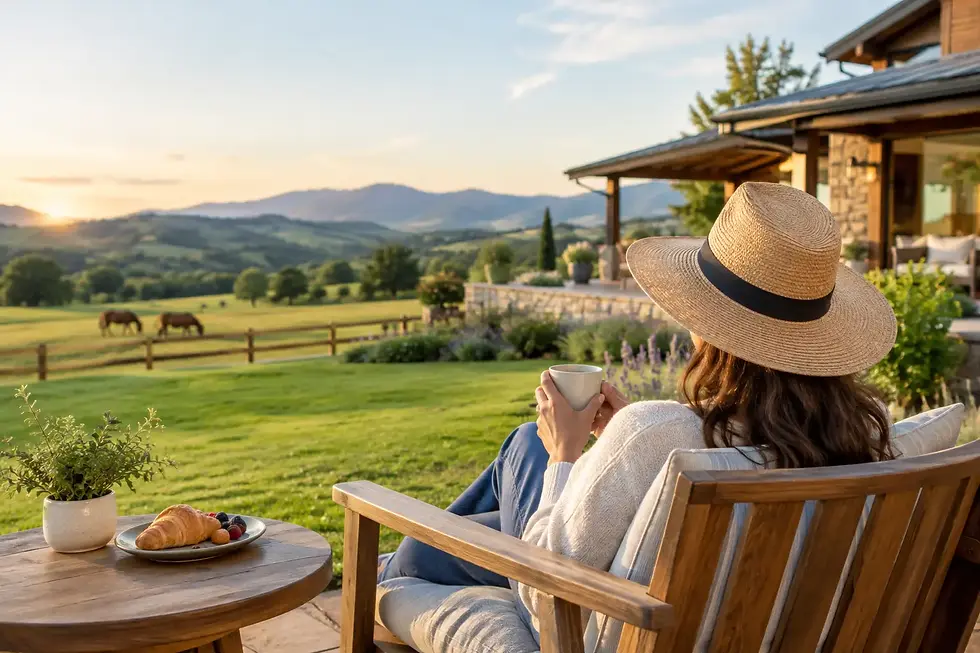
A slow breakfast on a stone terrace can look very different depending on what you need from your holiday. Perhaps you want coffee already poured, a nourishing meal waiting after yoga, and no decisions beyond whether to swim or read. Or perhaps the pleasure lies in choosing ingredients at a village market, cooking with friends, and letting each day unfold without a timetable. The catered stay versus self catering question is not simply about food. It is about the kind of space you want to make for yourself.
In a private rural setting, both can feel deeply restorative. The best choice depends on how you travel, who is with you, and whether you are looking for complete independence, gentle structure, or something in between.
Catered stay versus self catering: the essential difference
A catered stay generally includes some or all meals prepared for you, often as part of a retreat, group programme or bespoke gathering. It removes the practical rhythm of meal planning, shopping, preparation and washing up. For some guests, that is the very point: time returns to rest, conversation, movement and being present in the landscape.
Self catering gives you a home of your own, with a proper kitchen and the freedom to decide what, when and where you eat. It may mean a long lunch cooked from local produce, children eating early before an evening by the fire, or a late supper after a day beside the river. Rather than following a service schedule, you set the pace.
Neither approach is inherently more luxurious. Luxury can be a beautifully prepared table after a morning practice. It can also be opening the fridge to ingredients you chose yourself, while the people you came with gather around the kitchen island. The distinction is less about standards and more about autonomy, energy and intention.
When a catered stay feels right
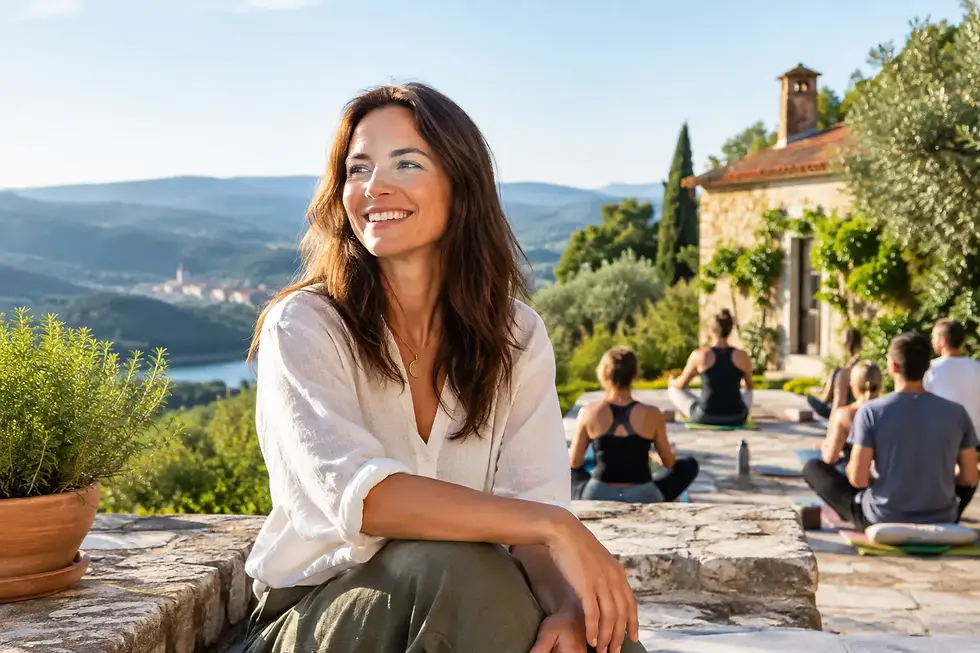
Catering comes into its own when food is part of the care around an experience. On a wellness or yoga retreat, thoughtfully planned meals can support the flow of the day, leaving guests free to move from an early practice to a woodland walk, a treatment or a quiet afternoon by the pool. A shared dining table can also create an easy sense of belonging, especially for solo travellers arriving as part of a small group.
It is equally appealing for celebrations and reunions. If several households are travelling together, nobody wants to spend the whole weekend coordinating breakfasts, portion sizes and supermarket runs. Having meals arranged means the host gets to be present too. There is more room for a birthday toast on the terrace, an unhurried dinner under the stars, or simply the pleasure of everyone relaxing at once.
A catered format can be particularly valuable after a long journey. International visitors, including those travelling from the US, may not want their first task to be finding a shop and decoding ingredients in a new country. A ready meal and a settled table can make arrival feel softer.
There are trade-offs. Meal times may be fixed, menus may be planned in advance, and catering usually carries a higher upfront cost. Dietary requirements can often be accommodated when communicated early, but the experience still works best for guests happy to share in a considered rhythm. If your ideal morning involves a leisurely lie-in followed by lunch at noon, a formal breakfast service may feel less like ease and more like a schedule.
Catering is often best for purpose-led time away
Choose a catered option when you want your attention directed elsewhere: towards a retreat practice, a demanding week of rest, a group celebration, or time with a partner that does not involve daily domestic tasks. It is not about being waited on. It is about creating room for the experience you travelled for.
The quiet freedom of self catering
Self catering is often the natural choice for guests who value privacy above all. A restored rural house with a full kitchen becomes a private base rather than simply somewhere to sleep. You can make breakfast before anyone else wakes, pack a picnic for the river, cook a favourite family recipe, or decide that cheese, fruit and wine on the terrace are quite enough for dinner.
For families, this flexibility can be invaluable. Familiar foods and adaptable meal times make travelling with children easier, while separate bedrooms and living spaces give everyone room to breathe. For friends, the kitchen often becomes part of the holiday itself: someone chops vegetables, someone lights the wood-burning stove, and conversation carries on long after the plates are cleared.
Self catering also suits longer stays. A few meals prepared at home can keep spending balanced, particularly when paired with occasional meals out in nearby towns and villages. It allows guests to shop locally, try regional ingredients and develop a more personal connection with the area. There is a particular satisfaction in returning from a market with seasonal fruit, olive oil, bread and something unexpected from a local producer.
At the same time, independence asks a little more of you. You will need to think about shopping, cooking and clearing up, even if the setting makes those tasks more pleasurable than they are at home. If cooking is the last thing you want to do after a day of hiking, swimming or travelling, complete self catering can begin to feel like work.
Self catering works best when flexibility is the luxury
It is ideal for couples seeking an unhurried escape, families who need their own routine, remote workers planning an extended change of scene, and groups who enjoy sharing the practical pleasures of a house. Full kitchens, comfortable dining spaces, central heating and cosy fires matter here because they make autonomy feel generous rather than makeshift.
Consider the setting, not only the menu
The choice becomes more nuanced at an off-grid rural stay. Privacy, distance and pristine wilderness are part of the reward, but they also shape the practicalities. A secluded property is not the place for popping out every hour for forgotten ingredients. A little planning makes self catering feel effortless: arrive with a first-night supper in mind, make one well-considered food shop, and leave space to discover local produce once you have settled in.
Conversely, catered stays in nature can bring a welcome sense of containment. When meals are woven into a retreat or exclusive gathering, there is no need to interrupt the day with logistics. The landscape remains the focus - a misty morning over the forest, a swim in the infinity pool, a long conversation after an afternoon on the river.
At Quinta do Rabaçal, the appeal of self catering lies in having a fully equipped rural home within more than 40 acres of protected forest and riverfront wilderness, while still enjoying high-comfort beds, heating, outdoor social spaces and places to gather. For retreat participants and private groups, a catered arrangement can add another layer of ease, allowing shared meals to anchor a programme of wellbeing, movement and connection.
A practical way to decide
Start with the question that is easiest to answer honestly: do you want to cook? Not whether you can cook, or whether you think you ought to cook on holiday, but whether preparing food with the people you love sounds pleasurable right now.
Then consider the shape of your days. A retreat with early sessions, workshops and evening circles benefits from meals that arrive without thought. A week with no agenda may be better served by a kitchen, a terrace and the freedom to eat whenever the mood takes you.
Your group matters too. Catering can spare one person from becoming the organiser by default. Self catering can be more intimate when everyone enjoys contributing, whether that means cooking, setting the table or choosing the next meal. Be realistic about this dynamic before you book.
Finally, think about the memories you hope to bring home. Some travellers remember the nourishment of being cared for: warm bowls brought to the table, shared meals, and the rare feeling of having nothing to arrange. Others remember the market basket, the scent of garlic and herbs in the kitchen, and an impromptu dinner that went on long into the night.
There is no wrong answer, only the holiday that leaves you feeling more like yourself. Choose the format that protects your time, suits your companions and lets the place around you do what you came for: slow you down, draw you outdoors and make ordinary moments feel beautifully spacious.

Comments