


Off-Grid Stay Versus Boutique Hotel: Which Fits?

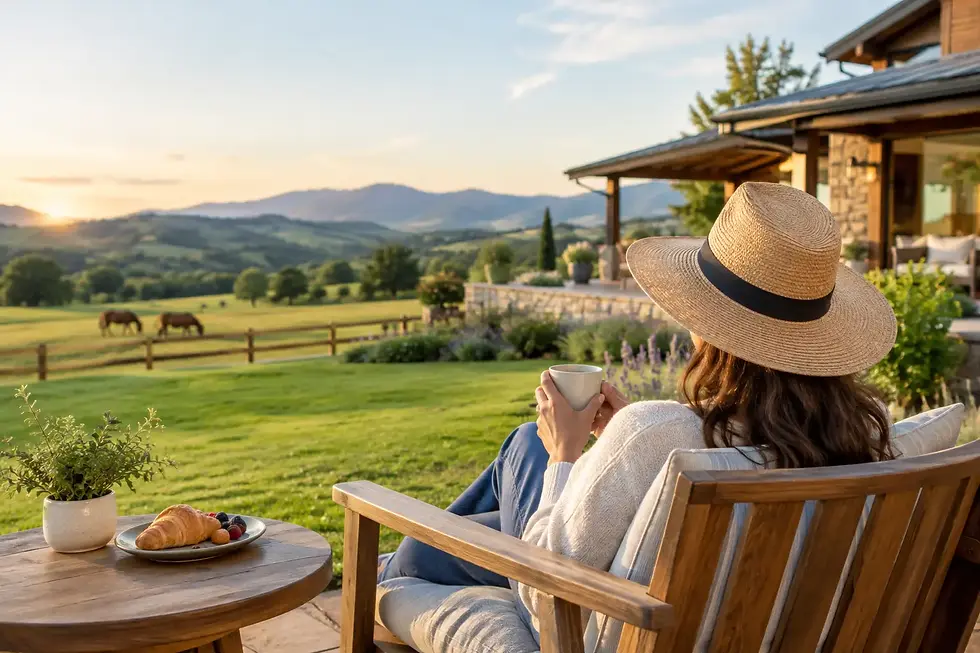
The difference often reveals itself before breakfast. In an off-grid stay versus boutique hotel decision, one option may bring you downstairs to a polished dining room and a day shaped by service; the other may have you opening shutters to birdsong, making coffee in your own kitchen and deciding whether the river, the pool or a slow morning by the fire comes first.
Neither is inherently better. Both can be beautiful, considered and deeply comfortable. The more useful question is what you want your time away to make possible: effortless access to a lively destination, or the rare feeling that the landscape belongs to you for a while.
Off-grid stay versus boutique hotel: the real difference
A boutique hotel is designed around attentive hospitality. Its pleasure lies in ease: a prepared room, a reception team, on-site dining, local recommendations and often a central address that puts galleries, restaurants and evening life within walking distance. For a short city break, a food-led weekend or a solo traveller who enjoys a little ambient buzz, this can be exactly right.
An off-grid stay changes the centre of gravity. Rather than visiting nature between plans, you live within it. The setting is not a view from a balcony or a backdrop for breakfast. It shapes the pace of the day, from mist lifting through the trees to the quiet that settles after sunset.
Off-grid need not mean roughing it. At its best, it means a lighter relationship with the land, supported by thoughtful systems and comforts that allow you to properly rest. Green energy, low-impact stewardship and farm-grown food can sit alongside central heating, excellent beds, a proper kitchen and the small luxuries that turn a rural escape into a genuinely restorative holiday.
The distinction is also one of privacy. Hotels are shared by design. Even an intimate property has corridors, common areas and the gentle choreography of other guests. A private rural house or exclusive-use estate offers more freedom to be together without being on display. Families can follow their own routines. Friends can linger over long suppers. Couples can enjoy silence without feeling secluded in a room.
When a boutique hotel is the better choice
Choose a boutique hotel when the destination itself is your main event. If you want to step out for cocktails, browse independent shops, try several restaurants or return late without a thought for cooking, a well-located hotel keeps the day wonderfully simple.
It can also suit a brief stay with a tightly packed itinerary. A concierge, daily housekeeping and breakfast on hand remove decisions. There is pleasure in being looked after, particularly after a long journey or during a weekend when you want to fit in as much as possible.
Boutique hotels often create an easy sense of occasion for couples, too. A beautifully designed room, a bar downstairs and a table booked nearby can feel special with very little planning. If your ideal holiday means being part of a place's social rhythm, rather than stepping away from it, hotel life has a natural appeal.
The trade-off is space and autonomy. Rooms can be compact, meals follow set hours, and privacy tends to be limited to your suite. Even the loveliest hotel rarely gives a group the relaxed freedom of cooking together, spending an afternoon outdoors or gathering around a wood-burning stove without checking the clock.
What an off-grid escape gives you
An off-grid retreat is for travellers who value the luxury of fewer interruptions. It offers room for unplanned hours: reading on a stone terrace, swimming before breakfast, taking a forest walk without needing to go anywhere else, or simply watching children make their own adventures outdoors.
For couples, this can mean a more private kind of romance. There is no lobby to cross, no restaurant reservation to make and no pressure to fill the evening. A shared meal cooked slowly, an outdoor jacuzzi under a dark sky or a cosy night by the fire can feel far more memorable than an itinerary.
For families and friends, self-catering makes the stay more generous. Everyone has space to settle in, while a full kitchen allows for familiar breakfasts, flexible mealtimes and relaxed dinners around one table. This matters when travelling with children, different dietary needs or a group that prefers connection over a schedule.
The setting can support a different kind of wellbeing, too. Away from urban light and constant notifications, the senses have room to reset. A morning yoga practice, a session in the gym, a cold river swim or a quiet walk can be part of the day without becoming another appointment. Nature does not perform on demand, but it offers something more lasting: permission to slow down.
At Quinta do Rabaçal, this balance is central to the experience. Restored rural houses sit within more than 40 acres of protected forest and riverfront wilderness, with the comforts that make longer stays easy: well-equipped kitchens, central heating, wood-burning stoves, high-comfort bedding, private outdoor spaces, an infinity pool and places to gather. It is remote enough to feel like a true retreat, yet considered enough to feel cared for.
Comfort is not the same as service
One hesitation around off-grid travel is understandable: will it be comfortable? The answer depends entirely on the property. Some rural stays are intentionally simple, and that may be part of their charm. Others offer a high standard of design and amenity while remaining closely connected to their surroundings.
Look beyond the word “eco”. Ask practical questions. Is there reliable heating for cooler months? Are the bedrooms genuinely restful? Is the kitchen equipped for the meals you hope to make? Do outdoor spaces offer both sun and shade? If you are working remotely, what is the connectivity like, and is there somewhere calm to focus?
For a group holiday, consider bathrooms, bedroom layouts and shared living space as carefully as the landscape. A four-bedroom house with room to cook, eat and relax together will feel very different from several separate hotel rooms, however stylish they may be.
The same applies to service. An off-grid stay may not provide room service or a staffed front desk, but it can offer a more personal form of hospitality: a thoughtfully prepared home, clear local guidance, excellent facilities and the confidence that you have everything needed to settle in. It is less about being waited on and more about being given the space to live well.
The choice for retreats, celebrations and focused time away
For retreat leaders and hosts, the off-grid model has particular advantages. A fully private venue allows a group to move through the day with continuity. Yoga, fitness sessions, shared meals, river time and conversations can happen without the awkwardness of public hotel spaces or competing guest schedules.
This is equally valuable for milestone gatherings. A birthday, small celebration or reunion is often less about a formal programme than having time together. Exclusive use creates room for early risers, late-night conversations and quiet moments apart. It also means the setting can reflect the gathering: warm, unhurried and personal.
For remote workers or people seeking a digital reset, the question is more nuanced. If you need city energy and constant access to meetings, a hotel may be more practical. But if the work is creative, strategic or restorative in nature, a rural stay can protect the concentration that ordinary routines fragment. The key is choosing a property with the level of connectivity and workspace you genuinely require, rather than assuming remoteness means disconnection from every necessity.
How to choose without romanticising either option
Start with the purpose of the trip. A boutique hotel works beautifully when you want your days to unfold outward into a town or city. An off-grid stay is more compelling when the place you are staying is the destination itself.
Then consider the people travelling with you. Two people who enjoy trying restaurants every evening may favour a hotel. A family, a group of friends or several generations often gain more from a house where everyone can be together comfortably, then retreat to their own room when needed.
Finally, be honest about your appetite for independence. Self-catering brings freedom, but it asks for a little participation: planning provisions, cooking when you wish to, and enjoying the pleasure of making the space your own. For many travellers, that is not an inconvenience. It is the point.
Choose the stay that gives your first morning the feeling you have been missing: a fresh table waiting downstairs in the heart of a lively town, or the hush of the forest, coffee in hand, with nowhere else you need to be.


Comments